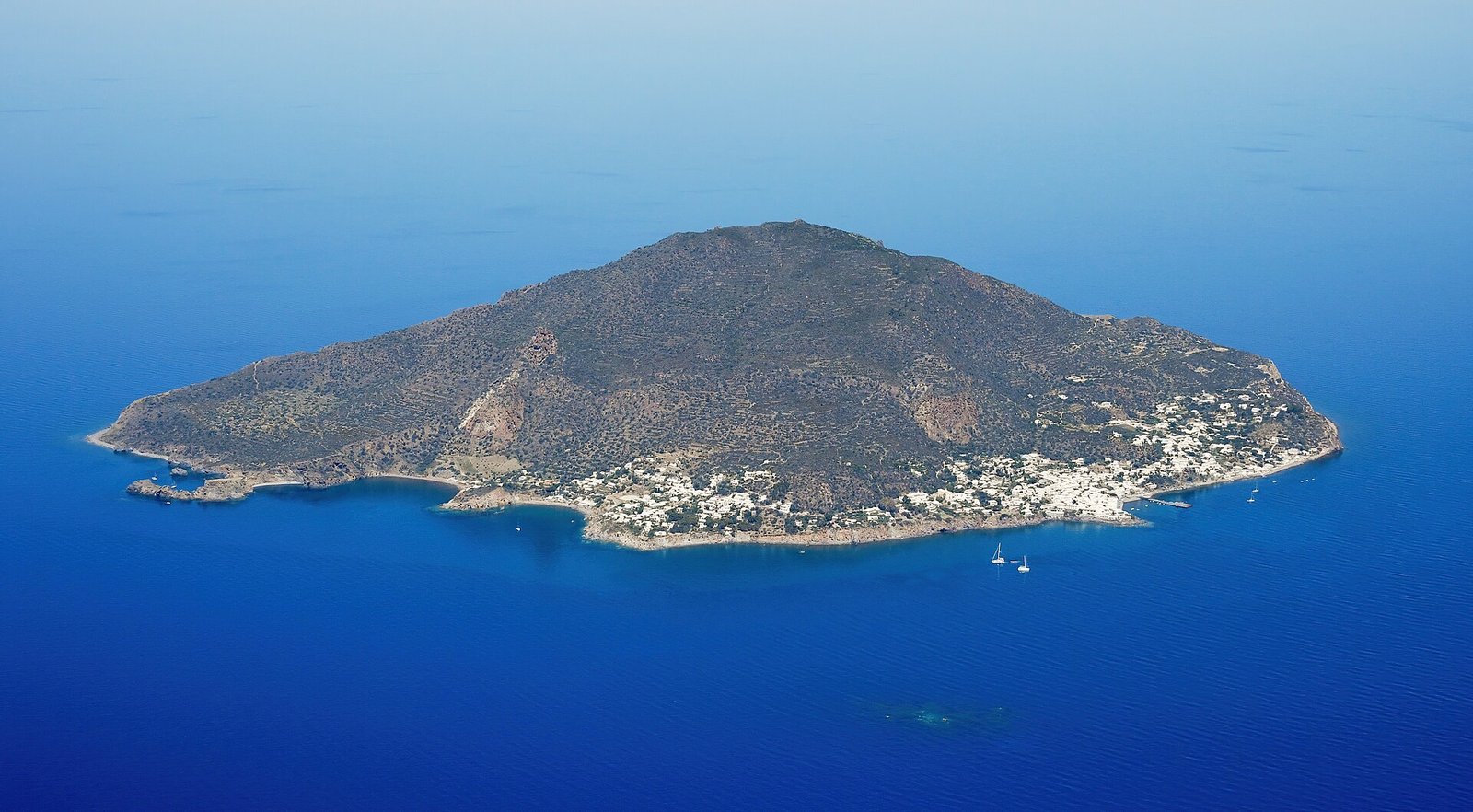

Discover Panarea: what to see and do
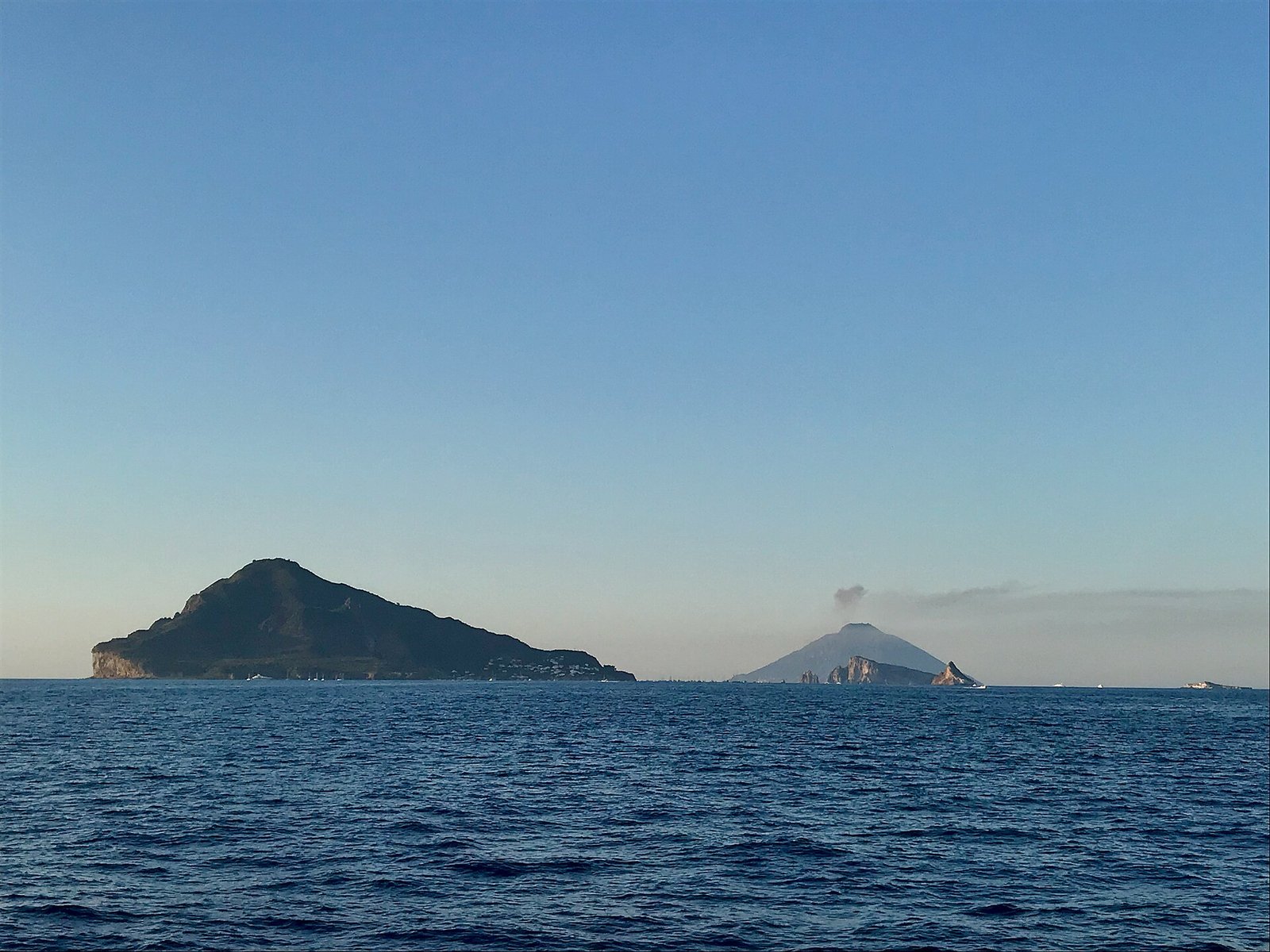
The smallest and oldest of the Aeolian Islands: three kilometres end to end, a private archipelago of islets, a Bronze Age village — and Stromboli smoking away on the horizon.
The smallest and oldest of the Aeolian Islands: three kilometres end to end, a private archipelago of islets, a Bronze Age village — and Stromboli smoking away on the horizon.
Three pages to plan the trip: how to get here, where to swim and how to split the days.
Hydrofoils from Milazzo all year round, ferry and hydrofoil from Naples in summer, the handiest airports and where to leave the car.
The seaCala Junco and how to walk there, Zimmari (the only sandy one), La Calcara with its fumaroles, the rocks and the islets.
The daysA simple itinerary: one day on foot between village and coves, one by boat among the islets, Stromboli in the evening.
Three hamlets linked by stone lanes: San Pietro, where the hydrofoils dock and the island's heart beats, Ditella to the north with the Calcara fumaroles, and Drautto to the south, the area of the villas and the beaches. The houses are white and low, their terraces covered in bougainvillea.
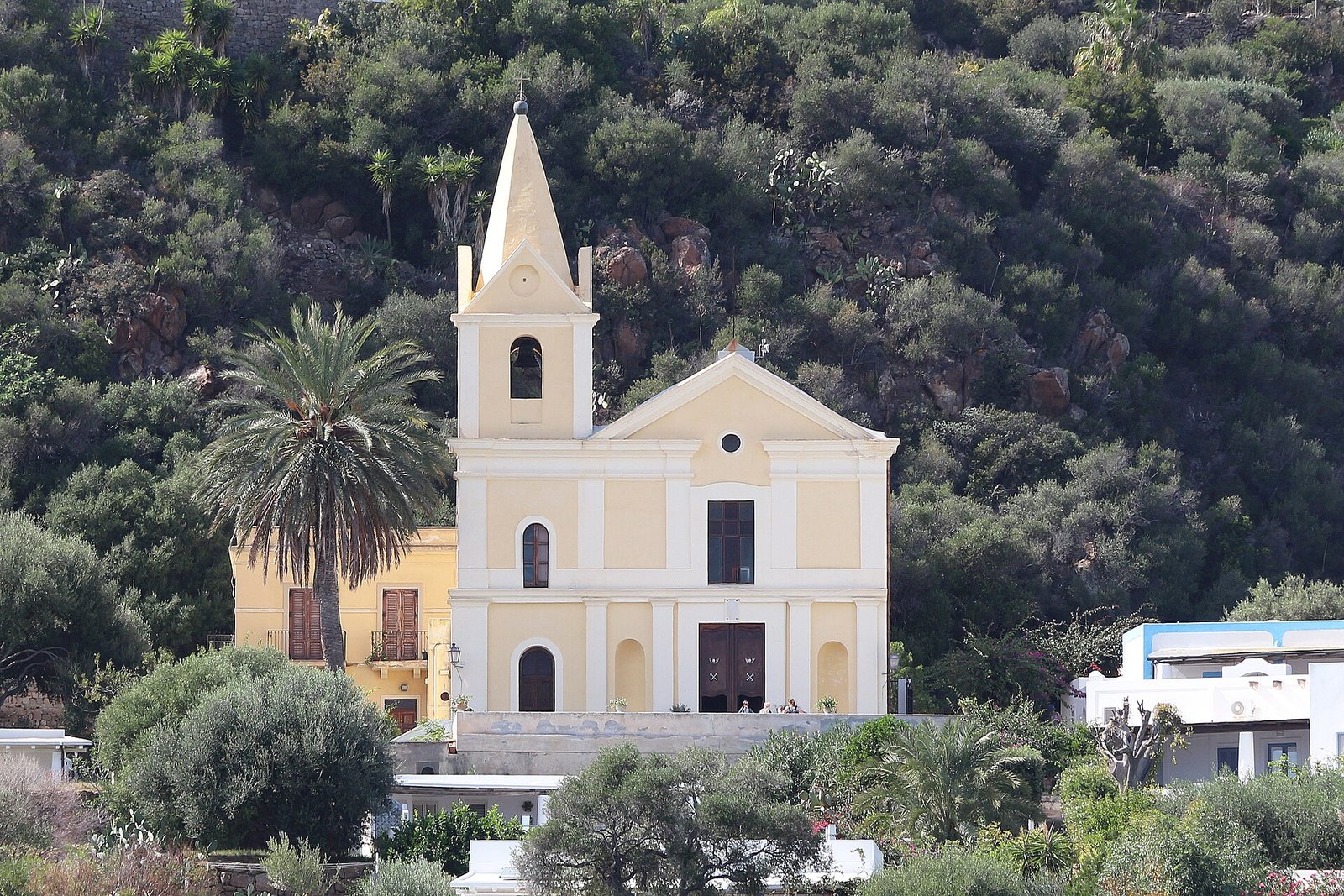
Everything happens here: the harbour where the hydrofoils arrive, the car-free lanes, the boutiques, the bars where you sip an aperitivo watching the islets. In the evening the alleys fill up and Panarea becomes the drawing room of the Aeolians — elegant, but always barefoot. And when it gets late, there's the Raya: the open-air disco on the hotel terrace that has kept the island dancing until dawn since the Sixties, with Stromboli flashing on the horizon.
From San Pietro everything is minutes away: the Waterfront estate is steps from the sea, with private access to the rocks.
The places in this guide, all within a stroll (or a boat ride): tap the pins to explore.
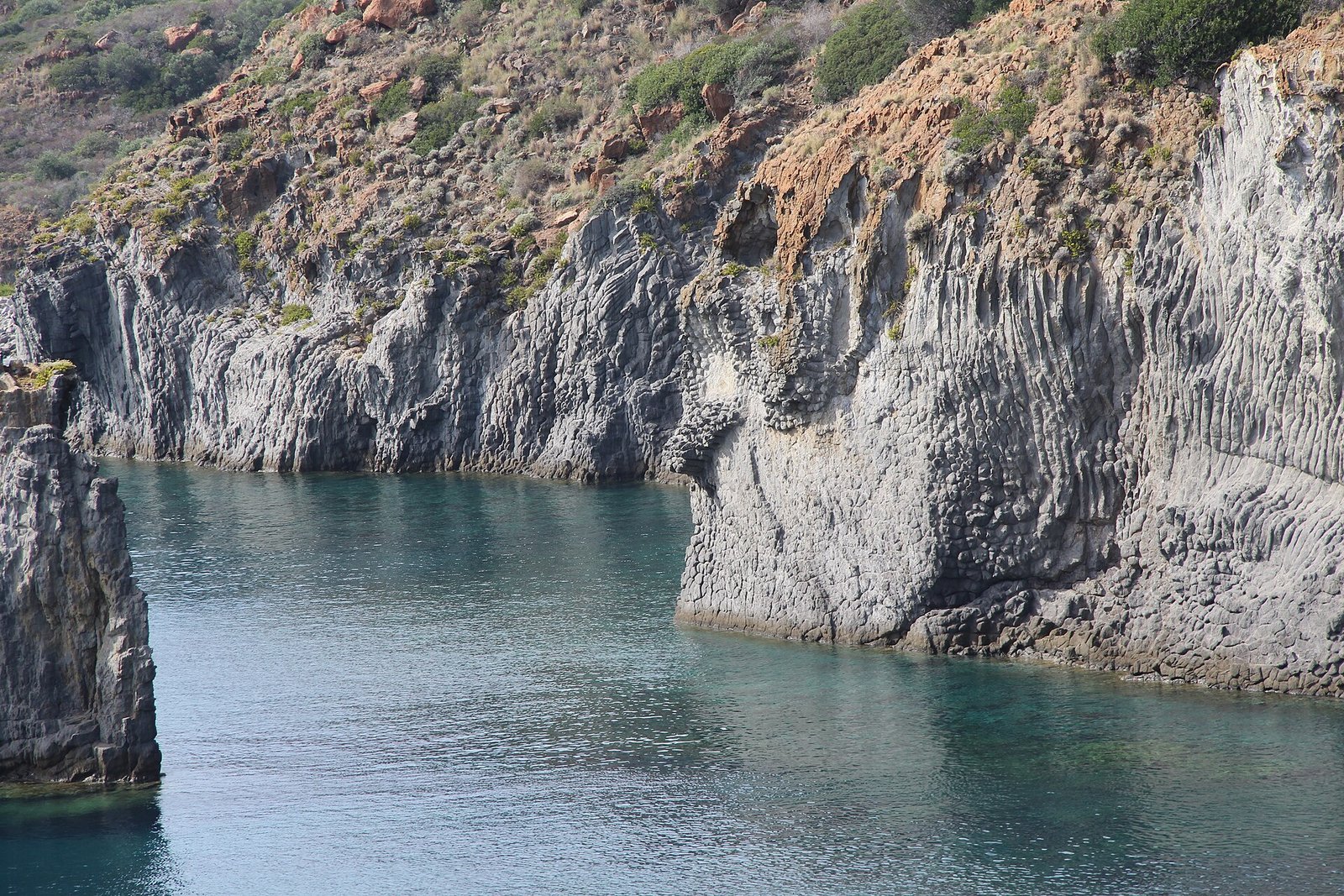
Cala Junco is considered one of the most beautiful bays in all the Aeolians: an amphitheatre of volcanic rock columns embracing turquoise water. Half an hour's walk from Drautto, or by boat.
Cala degli Zimmari, just before it, is the island's only true sandy beach — red sand and a gentle seabed. At La Calcara, on the north side, fumarole steam still rises from cracks in the rock: the island is alive, and you can feel it.
The natural pool among the rocks, next to the prehistoric village. Reached on foot from Drautto or by sea.
The only sandy beach: red, sheltered, perfect with children. A 20-minute walk from San Pietro.
A wild beach of volcanic steam and warm stones: the fumaroles reach 100 °C. The most unusual swim in the Aeolians.
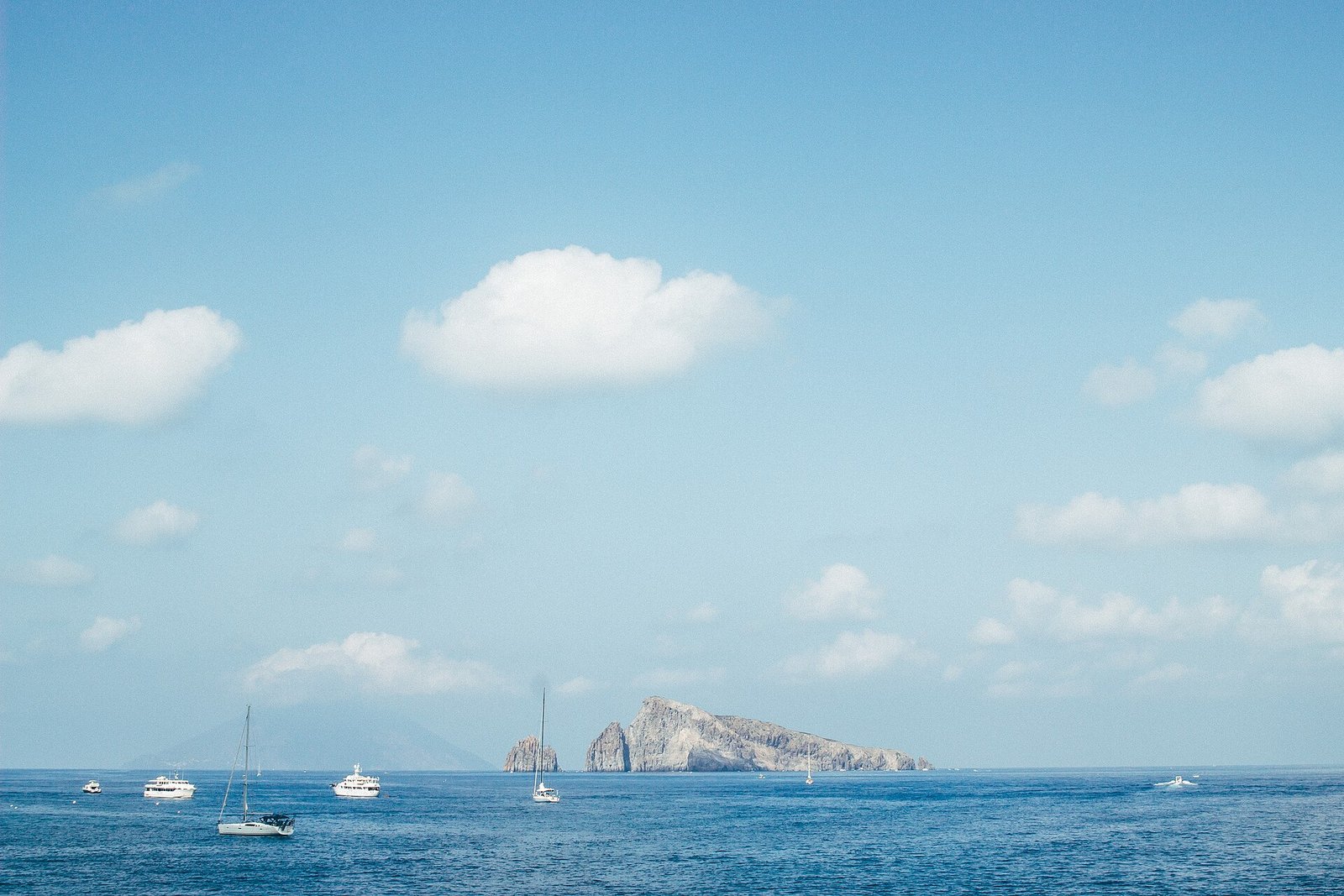
Panarea is not alone: off its eastern coast floats a micro-archipelago of rocks and islets — Basiluzzo, Dattilo, Lisca Bianca, Lisca Nera, Bottaro, Spinazzola and the Panarelli. The boat tour around them is the island's ritual.
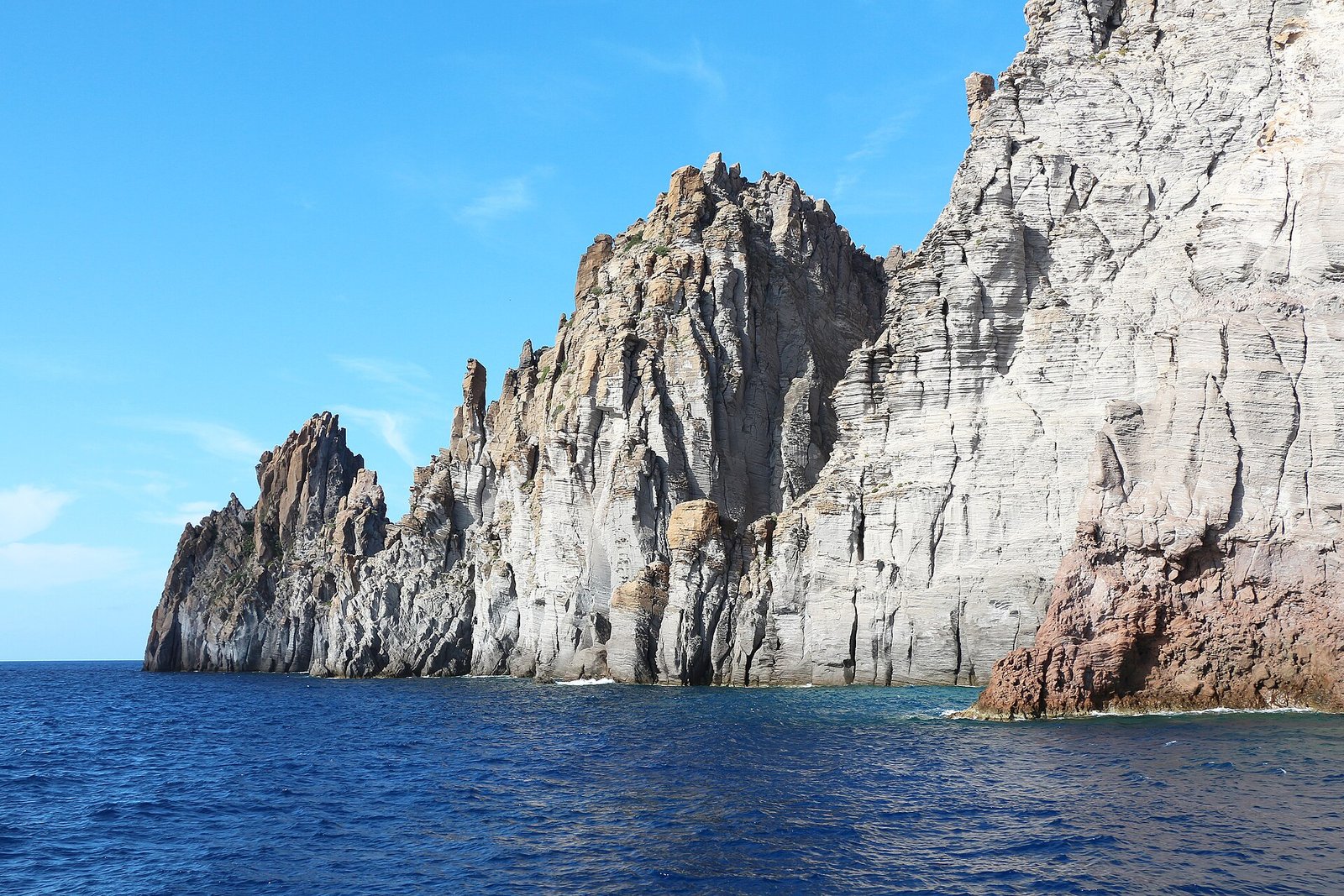
Basiluzzo is the most imposing: sheer walls, sea caves and, underwater, the remains of a Roman port. Between Bottaro and Lisca Bianca the sea really does boil: submarine fumaroles send columns of bubbles up from the seabed.
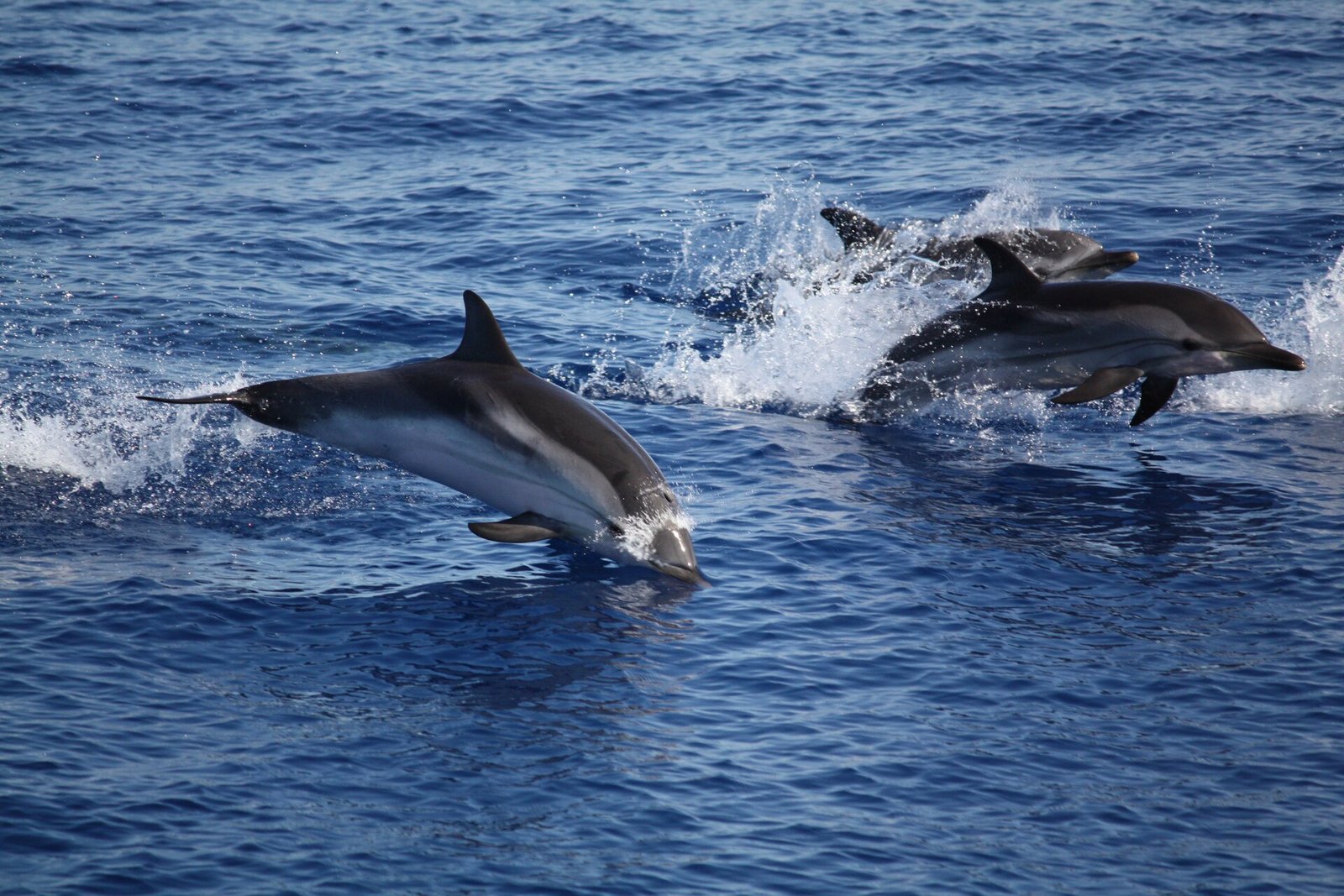
With a little luck, dolphins appear in the channel between Panarea and Stromboli. A boat with skipper is arranged from the estate — just ask.
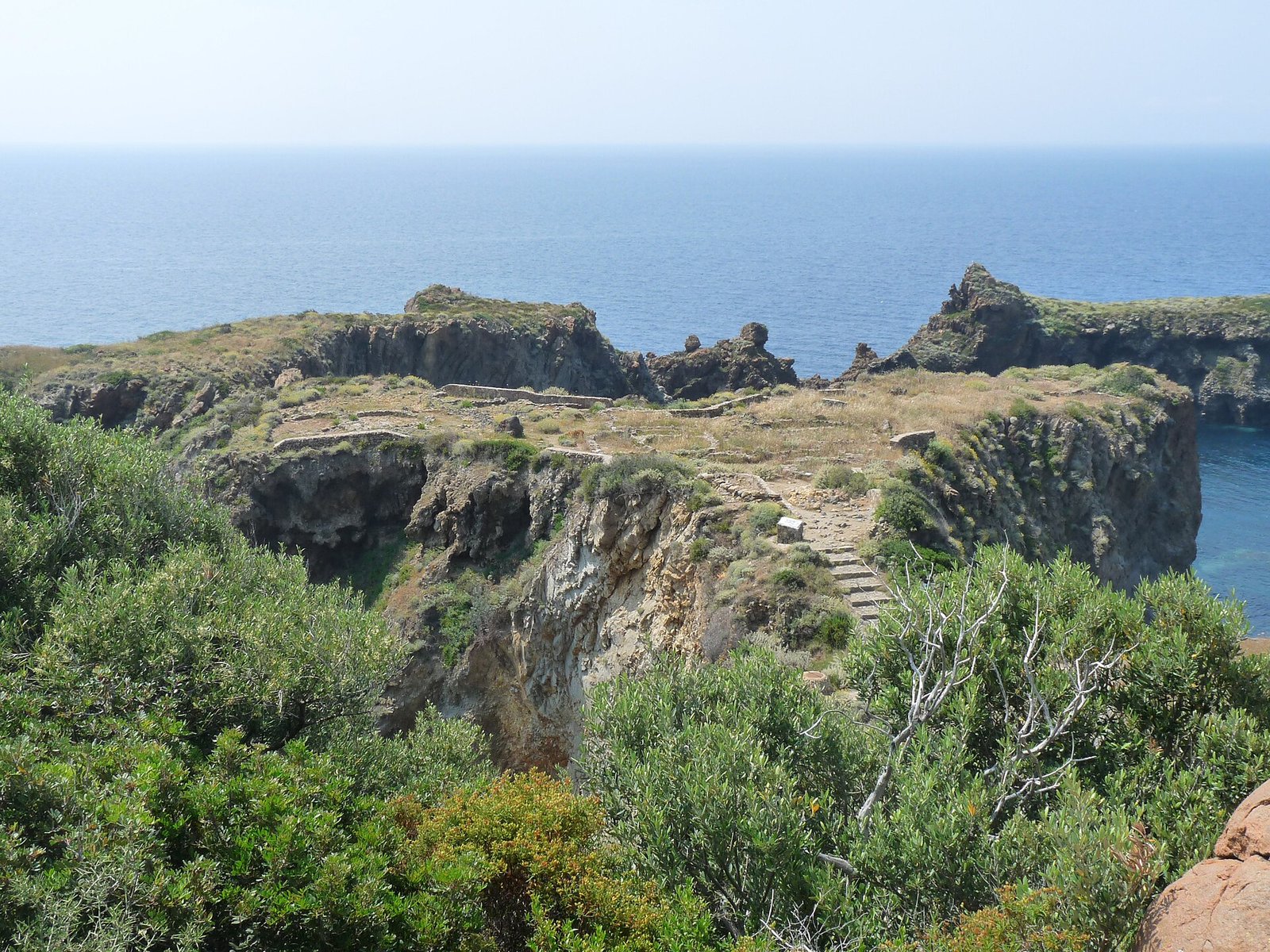
On the promontory of Capo Milazzese, above Cala Junco, the walls of some twenty Bronze Age huts (14th century BC) still stand: Mycenaean pottery found here shows Panarea was already on the Mediterranean routes back then.
For walkers: the trail to Punta del Corvo (421 m) crosses Mediterranean scrub and wild capers, with the Aeolians all around. At dawn or sunset it is unforgettable.
From Panarea, Stromboli is always there: by day a perfect smoking cone, by night a natural lighthouse that now and then flares orange. In the evening, boat trips go out to watch the Sciara del Fuoco from the sea.
No wonder cinema fell in love with this island: Antonioni shot L'avventura here, and Moretti passed through in Caro diario.
The finest way to live Panarea is from the water: rental boats (no licence needed) and skippers are at Nautilus, five minutes from the houses — or everything can be arranged from the estate.
Basiluzzo, Dattilo, Lisca Bianca and the submarine fumaroles of Bottaro: swims in boiling waters, sea caves and the remains of the Roman port.
Leave in the afternoon, swim beneath Strombolicchio, then watch the Sciara del Fuoco in the dark: the volcano's orange flares seen from the sea.
Lipari and Salina are half an hour away: a day of coves, granita and Malvasia, back in time for aperitivo.
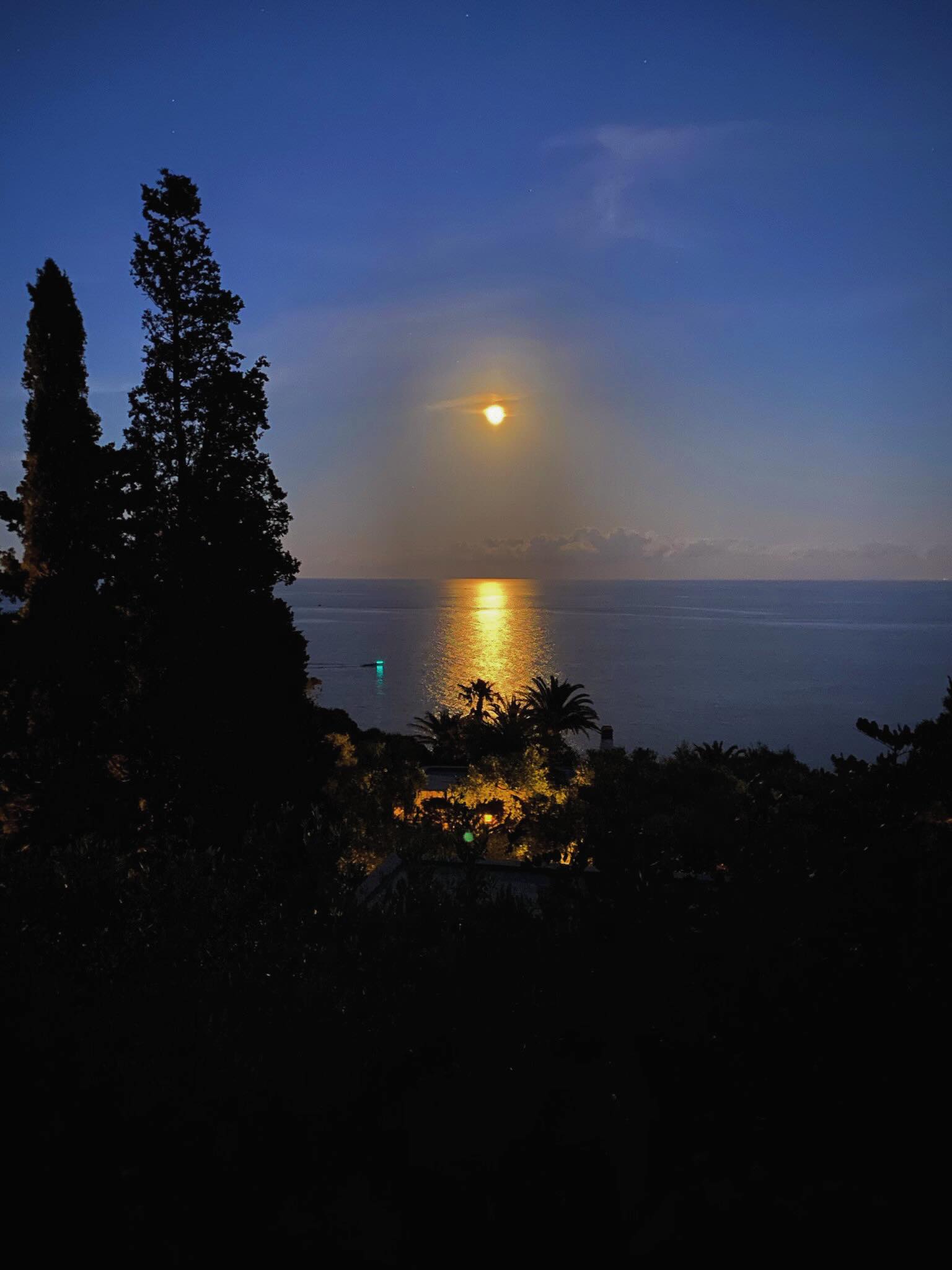
The evening begins at sunset, with an aperitivo on the terraces of San Pietro as the islets turn pink. Then dinner in the little restaurants, a stroll through the lanes — and for those who don't want to stop, the open-air disco of the Raya, which has kept the island dancing until dawn since the Sixties.
The walk home is under a sky full of stars: streetlights are few in Panarea, and you can really see the Milky Way.
Discover the Raya →Panarea's food is Aeolian: few ingredients, all real. The day's fish lands at the harbour in the morning, capers grow on the walls, Malvasia wine comes from Salina. In San Pietro's little restaurants you dine on the terrace — and at home, if you prefer, the chef comes to you.
The island's restaurants are few and almost all family-run, handed down through generations. Booking is wise, especially in August — and if you'd rather stay home, the chef comes to you.
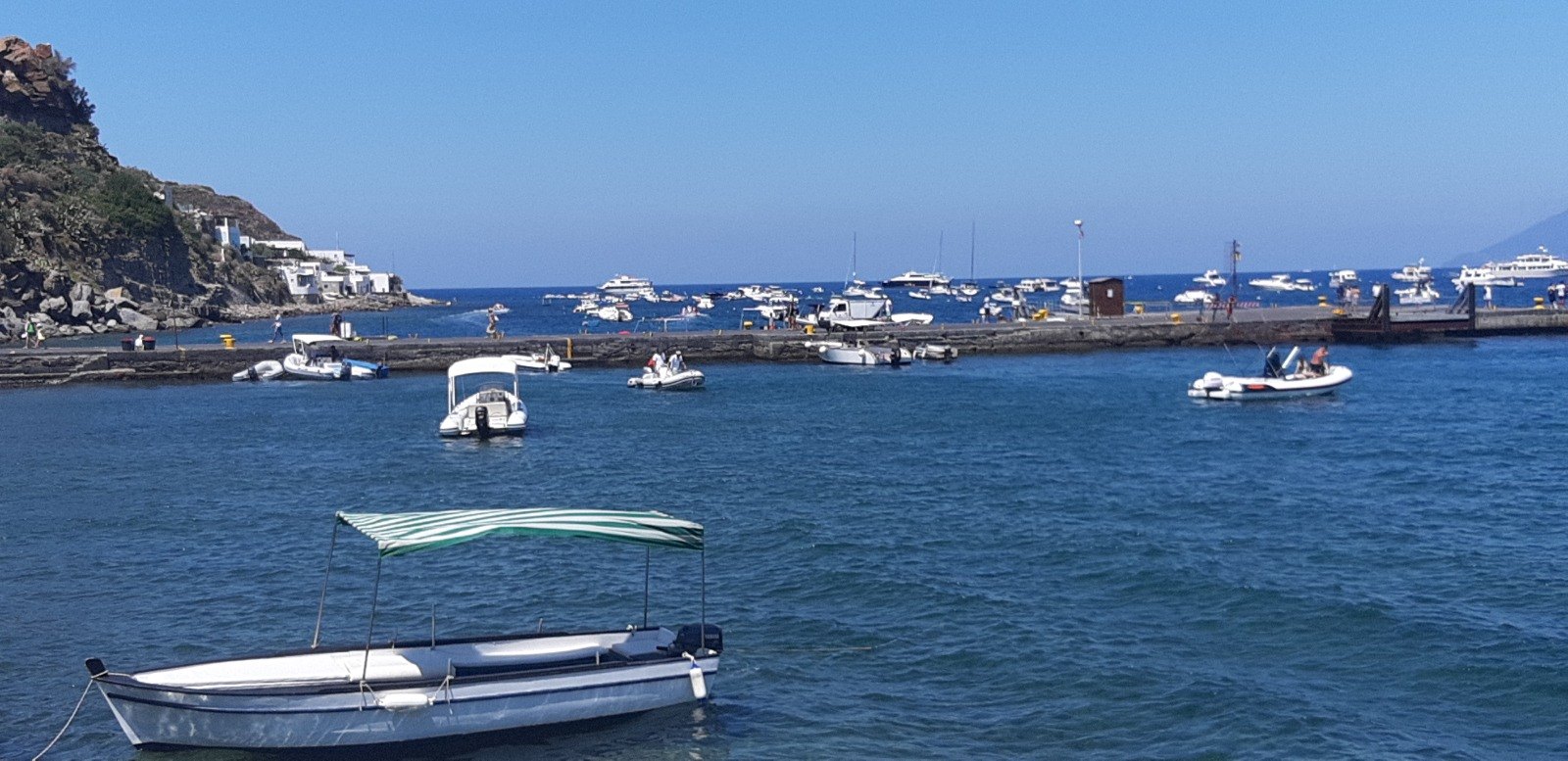
Since 1970, three generations of Sulfaro women and thirteen tables on a terrace looking at Stromboli. True Aeolian cooking.
The historic trattoria on San Pietro harbour: fresh local fish and traditional dishes, watching the hydrofoils come in.
The most elegant: carefully cooked fish, a good cellar and an atmosphere made for long evenings.
Since 1968, the institution of Panarea's cooking: hand-decorated lava-stone tables and the fish that made the island famous worldwide.
The steakhouse founded by Antonio Tesoriero, ranked among Italy's best: the famous XL steaks, for the night the fish can wait.
Aeolian and Mediterranean cooking on a terrace: swordfish, home-style dishes and service that pampers you.
The island's institution: sunset aperitivo on the terrace is a ritual, and at night it becomes Panarea's drawing room (and dance floor).
A private dinner in your house at the estate, with the day's catch: arranged with a message.
No mass-market shopping here: the shops are few, selective and often family-run. Everything is packed into the lanes of San Pietro.
Handmade Balinese batiks chosen by Myriam Beltrami, founder of the Raya: kaftans and dresses that are the island's signature.
Beachwear and refined labels for life on the boat and on the beach.
Rotisserie and takeaway delicatessen: pane cunzato, trays and ready dishes for lunch on the terrace or on the boat.
Fruit, vegetables, fish and the household essentials: the village's little shops also supply the boats at anchor.
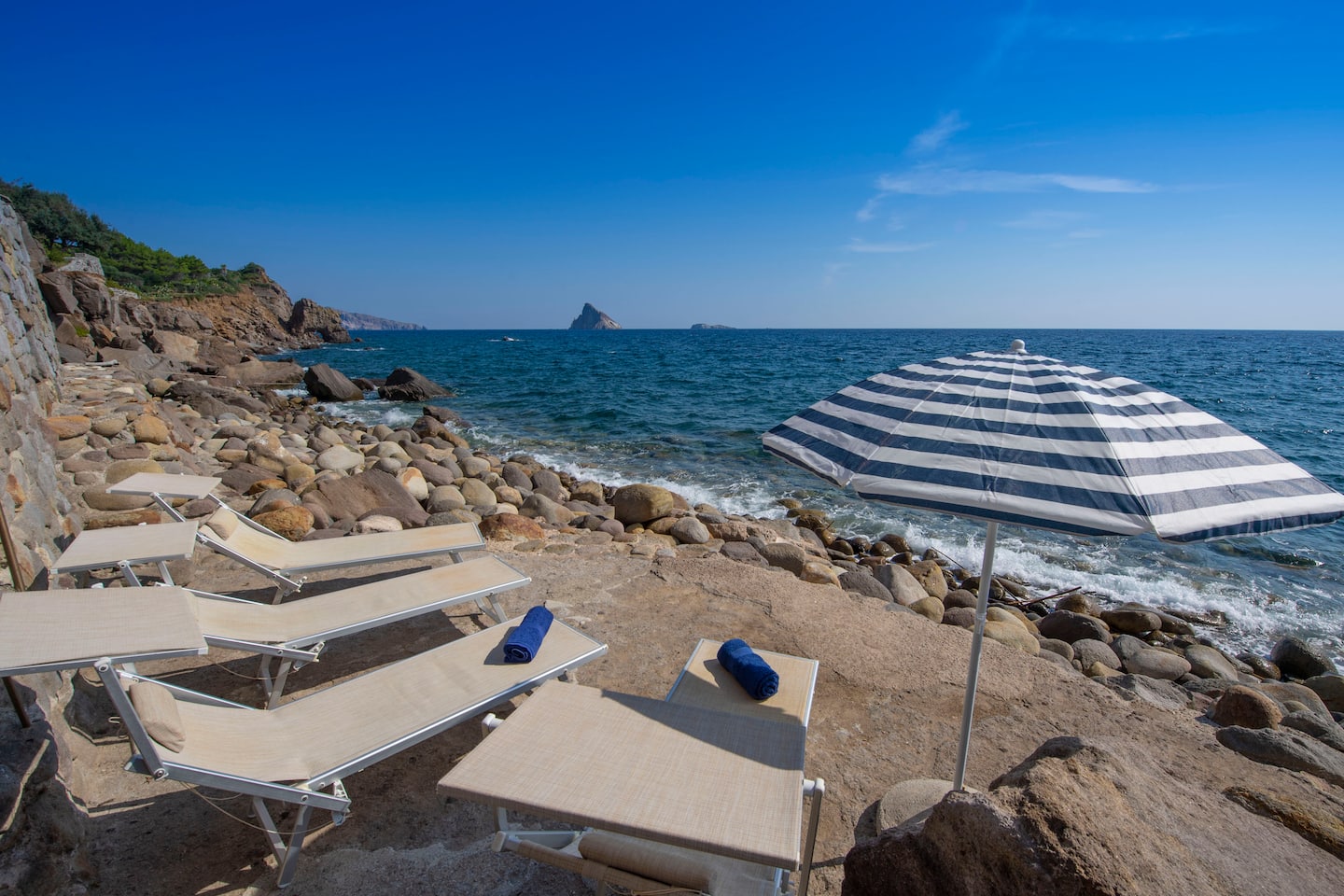
Six houses and villas within a private seafront estate, steps from everything in this guide.
See the houses